
Why Land Surveying Should Come Before Clearing a Rural Lot
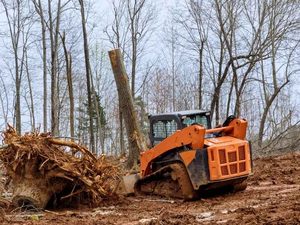
Clearing a rural lot feels like the fun part. The dozers show up, the brush comes down, and the land starts to look like something new. But skip land surveying first, and you might clear the wrong spot, wipe out a marker you needed, or open up ground that should have stayed untouched. A short visit from a surveyor before the equipment rolls in can save you weeks of cleanup later.
Mark the Clearing Limits Before Heavy Equipment Arrives
Once a dozer or mulcher starts working, it does not stop to ask questions. It clears what is in front of it. That is why the work area needs clear limits before any machine touches the ground.
A surveyor can walk the site and mark exactly where clearing should start and stop. These marks give the crew something solid to follow instead of a rough guess based on a map or an old fence line. Without this step, crews often clear a bit too much. Extra trees come down, extra brush gets pushed, and the owner ends up with a bare patch that was never part of the plan.
Marking limits first takes a few hours. Fixing an over-cleared area does not. That trade is worth making every time.
Survey Rural Access Before Choosing Where Equipment Will Enter
Rural lots rarely have a paved driveway ready to go. Crews need a way in for trucks, dozers, and trailers, and that path matters more than most owners expect.
A survey can help map out where equipment should enter the property and how that route connects to the rest of the site plan. This is not about legal right-of-way or easements. It is about the practical question of where heavy machines can safely and sensibly get onto the land without tearing through areas that were never meant to be touched.
Pick the wrong entry point, and you might end up with ruts across a spot you wanted to keep, a blocked path for future work, or a route that fights against the natural slope of the land. Working this out on paper first is a lot cheaper than working it out with a stuck truck.
Preserve Survey Control and Reference Points During Lot Clearing
Every survey depends on fixed points in the ground. These control points and markers act as anchors for measurements, and once they are gone, they are hard to replace with the same accuracy.
Clearing crews are not looking for small stakes or pins in the dirt. They are focused on trees, brush, and debris. That means a marker sitting in the path of a mulcher has no protection unless someone flags it first.
Before clearing starts, a surveyor can find and record the reference points that matter and mark them clearly so the crew knows how to work around them. This one step can save an owner from paying for a repeat survey later, just to recover data that already existed before the land was disturbed.
Use the Survey to Separate Clearing Needs From Areas That Can Stay Undisturbed
Not every part of a rural lot needs to be cleared. Some owners want the whole parcel opened up, but many just need a building pad, a driveway path, or a specific work zone.
A survey can help separate the ground that actually needs clearing from the ground that does not. This keeps the project focused and keeps the contractor from guessing about what counts as fair game. It also protects natural areas, existing trees, and drainage patterns that the owner may want to keep for later use.
Clear coordination here means less wasted work for the crew and less land disturbed than necessary. A tighter, better-defined clearing zone is easier to manage from start to finish.
Set Up the Site for the Work That Comes After Clearing
Clearing is rarely the final step. Most rural lots get cleared because something else is coming next, whether that is a home, a barn, a driveway, or a septic system.
Doing the needed survey work before clearing means the reference points, access notes, and site data are already in place once the land is bare. That information does not have to be rebuilt from scratch after the trees are gone and the ground has changed. Crews moving into design or construction can pick up right where the survey left off, using solid data instead of a fresh guess.
This often means paying for a second survey later, on land that now looks completely different than it did before clearing. Getting it right the first time keeps the whole project moving without a restart in the middle.
Frequently Asked Questions
Should I get a land survey before clearing a rural lot?
Yes. A survey done before clearing helps set the intended work area and gives you reliable site information while the land still has its original features intact.
Can land clearing damage survey markers?
It can. Clearing equipment can knock over, bury, or remove markers and other field references, so it helps to identify and protect the important ones before work begins.
Does a surveyor tell the clearing contractor exactly where to clear?
Not exactly. The surveyor records and documents the site information, but the final clearing limits should follow the owner’s approved plan and direct instructions to the contractor.
How early should land surveying be scheduled before clearing?
It should happen before any equipment is brought to the site, so the fieldwork and markings can be finished while the land is still in its original condition.
Will I need another survey after the lot is cleared?
Possibly, depending on what comes next. Site design, construction layout, or other development work may call for a follow-up survey once the land has changed.
For a free land surveying quote, call us at (256) 770-8662 or send us a message by going here.
Posted in land surveying, land surveyor | Tagged cost of land surveying, estimating the cost of land surveying, land surveying cost, land surveying cost Athens