
How a Boundary Survey Helps When Neighbors Disagree About Fence Lines
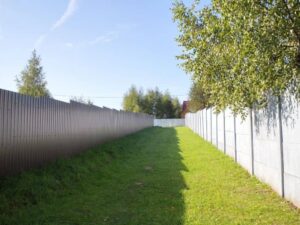
Most fence disputes start with a simple comment over the yard. One neighbor says the fence is on their land, and the other is sure it’s been in the right spot for years. Without measured facts, that conversation can turn tense quickly.
A boundary survey replaces guesses with a professional answer about where the property line falls. It won’t fix every disagreement by itself, but it gives both sides the same starting point. This guide is written for homeowners, with notes for buyers and real estate agents who run into fence questions during a sale.
Understanding Why Existing Fence Lines May Differ From Property Boundaries
A fence shows where someone chose to build. It doesn’t prove where the legal line is. Many fences were put up by past owners, contractors, or neighbors who never had the property surveyed.
There are plenty of reasons a fence can drift off the line. A builder may have set it a few feet inside to avoid trees or rocks. An older fence may have been replaced in a slightly different spot, or it may follow an old farm line from before the lots were divided.
Ground changes play a part too. Erosion, grading, and new driveways can move or bury the markers that once showed the corners. Over time, the fence becomes the line people trust, even when it sits on the wrong side.
Reviewing Deeds, Survey Plats, and Evidence Along the Disputed Fence
Every boundary survey starts with records. The surveyor reviews your deed, your neighbor’s deed, and any recorded plat for the neighborhood. A plat is a recorded map that shows lot lines, sizes, and sometimes easements.
These records describe the property in measured terms, like distances and directions. The surveyor checks whether the descriptions agree with each other. When two deeds don’t match, that difference can explain why neighbors see the line in different places.
Field evidence matters just as much. The surveyor looks for iron pins, concrete monuments, and other markers set by earlier surveys. They also note old fence posts, tree lines, and walls that may help show where past owners thought the line was.
Gather what you have before the survey starts. Useful items include:
- Your deed and any title insurance papers
- Old surveys or plot plans from your closing
- Photos of the fence when it was built, if you have them
- Notes about markers you’ve seen near the corners
How a Boundary Survey Establishes the Location of Property Lines
A boundary survey is a professional measurement that locates property lines based on records and field evidence. A licensed land surveyor compares the deed descriptions with the markers found on the ground. They then use that evidence to decide where the lines should be.
The crew measures with GPS equipment, total stations, or both. They locate the found markers, the fence, and other nearby features. If corner markers are missing, the surveyor may set new ones once the lines are confirmed.
The result is a survey drawing, often called a plat of survey. It shows your lot lines, the fence location, and the distance between them. It also points out any structures that cross the line, which helps both neighbors see the facts on paper.
Addressing Fence Encroachments and Communicating Survey Findings
An encroachment happens when a structure crosses onto someone else’s land. A fence that sits a foot onto your neighbor’s lot is a common example. Understanding property encroachment can help homeowners recognize their options for documenting the issue and working toward a resolution.
Share the results calmly. Many neighbors are surprised to learn the fence is off, especially if it was there before either of you bought your home. Giving them a copy of the survey and walking the line together can lower the tension.
Ask your surveyor to explain the findings in plain terms. They can point out the markers and show where the line runs. They won’t take sides, and that neutral role often helps both neighbors trust the results.
Some states have laws that let long use of land affect ownership claims. These rules vary, and the details matter. If a fence has been in place for many years, talk with a real estate attorney before making decisions.
Using Survey Results to Plan Fence Corrections and Next Steps
Once you know where the line is, you can choose a path forward. Many neighbors agree to move the fence onto the correct line. Others decide to leave it in place under a written agreement that both sides sign.
A boundary line agreement is another option in some cases. This is a recorded document where both owners agree on where the line is. Your attorney can explain whether it makes sense and how to record it.
If you plan to build a new fence, ask the surveyor to stake the line first. Staking means placing marked stakes or flags along the boundary so the fence crew builds in the right spot. Check with your local permit office and any homeowners association before work begins, since fence rules can vary.
Frequently asked questions
Can a boundary survey determine whether my neighbor’s fence crosses my property line?
Yes. A boundary survey locates the property line and measures where the fence sits next to it. If the fence crosses the line, the survey shows where and by how much. This gives you clear facts to share with your neighbor.
What documents should I provide before a boundary survey?
Start with your deed and any old surveys or plot plans from your purchase. Title insurance papers can also help because they may list recorded easements. Photos of the fence or past markers can be useful too. Your surveyor will also pull public records, so don’t worry if you’re missing something.
Does an existing fence establish the legal property boundary?
Usually not on its own. A fence shows where someone built, but the legal line comes from deeds, plats, and survey evidence. In some places, long use of land may affect ownership rights, and those laws vary. A real estate attorney can explain how this applies to your situation.
What should I do if a boundary survey identifies a fence encroachment?
Start by sharing the survey with your neighbor and talking it over calmly. Many people agree to move the fence or sign a written agreement. If you can’t agree, talk with a real estate attorney about your options. Avoid tearing down a fence on your own, since that can make the dispute worse.
Can a boundary survey help resolve a property line disagreement without going to court?
In many cases, yes. A survey gives both neighbors the same facts from a neutral professional. Once people see the line on paper and on the ground, they often agree on a fix. If the dispute continues, the survey is also useful evidence for attorneys or mediators.
For a free land surveying quote, call us at (256) 770-8662 or send us a message by going here.
Posted in Boundary survey | Tagged Boundary survey